
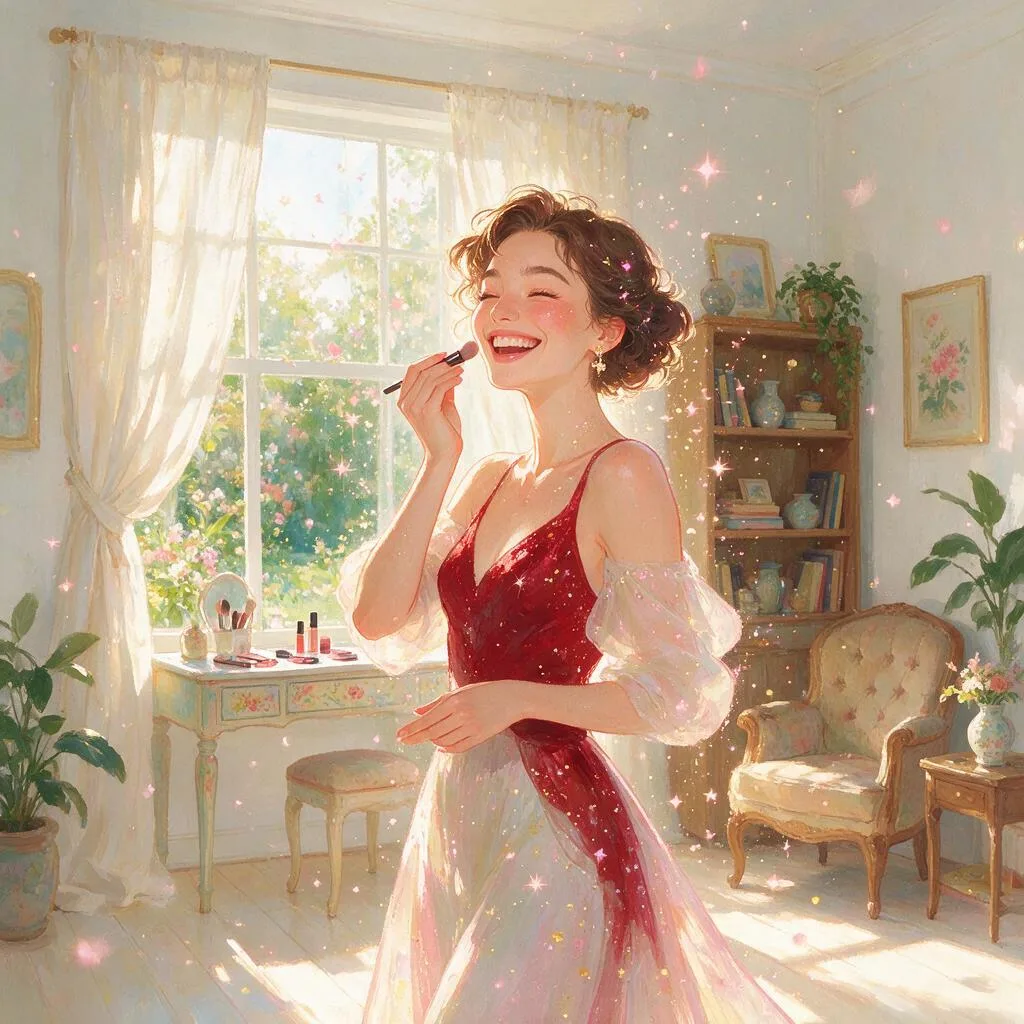
Upload one selfie and try on a full makeup look before you ever open a compact — soft glam, cool-toned douyin, a 90s brown lip, or festival graphic liner, all rendered as real cosmetics on your own skin. The agent keeps your face exactly yours — bone structure, features, and identity untouched — and only changes the makeup, so you see how a shade actually reads on you. Test a look for the event, the weekend, or the trend everyone's copying, then shop the shades that already earned their spot.
AI Makeup Try On — Makeup Look Studio
Makeup Look Studio is an AI makeup try-on that lets you test a full look on one selfie before you ever open a compact — soft glam, cool-toned douyin, a 90s brown lip or festival graphic liner, all rendered as real cosmetics on your own skin. Your face stays exactly yours — bone structure, features and identity untouched — and only the makeup changes, so you see how a shade actually reads on you. Because the studio runs as a session with memory, you can swap the lip, soften the liner or push the blush warmer without starting over. Test the look for the event, the weekend or the trend everyone is copying, then shop the shades that already earned their spot.
A full makeup look from one selfie
One clear, well-lit selfie is the whole setup. Upload it, pick a look or describe the shades and finish you want, and the studio renders the complete face — lip, shadow, liner, blush, skin finish — as cosmetics sitting on your actual skin. Not a sticker of a look pasted over your photo: the shades interact with your skin tone and the light in your selfie, which is what makes the preview worth trusting.
Describe it the way you would to an artist: “glossy mauve lip, sharp cut-crease, dewy skin” or “electric teal graphic liner with pearl inner corners”. The studio translates that brief into a finished face.
Your face stays exactly yours
The failure mode of most beauty tools is that they “improve” you while they work — smoothing bone structure, resizing features, nudging your face toward a generic ideal. Makeup Look Studio holds your identity fixed and changes only the makeup. That discipline is what makes the try-on honest: if the render flatters a face that is not quite yours, it has told you nothing about how the shades will look at the counter.
From soft glam to douyin to graphic liner
The studio speaks current looks as well as classics: soft glam for an event, cool-toned douyin with a glossy mauve lip and cut-crease shadow, a 90s brown lip, festival graphic liner in electric teal with pearl accents. You can name a style and let the studio interpret it, or specify every element yourself — the shade, the finish, the placement.
Because the session remembers your selfie and your direction, trying a second look is one message, not a fresh upload — which turns “I wonder how that trend would look on me” into a thirty-second answer.
Decide what to buy before you buy it
The practical payoff of a realistic AI makeup try on is a shorter, smarter shopping list. Render the same look in two lip shades and compare them side by side on your own face; test whether a cool-toned palette actually suits your undertone; preview the full event look before committing to the products behind it. The shades that survive the try-on are the ones worth paying for.
What you can create with Makeup Look Studio
- A full makeup look tried on your own selfie
- Soft glam, douyin, 90s brown lip and festival liner styles
- Side-by-side shade comparisons before you buy
- Event-ready looks to preview and share
Sample prompts to try
- 💄 Cool-toned douyin glam with a glossy mauve lip, sharp cut-crease shadow, and dewy skin
- ✨ Festival graphic liner in electric teal with pearl accents on the inner corners and soft peach blush
How to use Makeup Look Studio
- 1Upload one clear, well-lit selfie.
- 2Pick a look or describe the shades and finish you want.
- 3Generate, keeping your face fixed and only the makeup changed.
- 4Save your favorites and shop the shades that earned their spot.
Makeup Look Studio vs. generic AI image tools
| Generic AI image tools | Makeup Look Studio |
|---|---|
| “Beautify” filters quietly reshape your face | Bone structure, features and identity stay untouched — only the makeup changes |
| AR filters paste a moving effect over your camera | A realistic still render of how shades sit on your actual skin |
| Vague “glam” presets with no shade control | Name the exact lip, shadow, liner and blush — shade, finish and placement |
| Each attempt starts from a fresh upload | A session with memory — swap the lip or soften the liner in one message |
| A novelty picture you discard | A shopping decision: compare shades on your own face before you buy |
Who should use Makeup Look Studio
Shoppers deciding between shades
See a lip or palette on your own skin tone before spending on it — render two candidates, compare them side by side and buy the one that actually earned its spot.
Anyone prepping for an event
Preview the full wedding-guest, party or date-night look days ahead, refine it in the session until it is right, and walk into the chair (or the mirror) with a reference of you wearing it.
Trend-followers who want a reality check
Douyin glam, the 90s brown lip, graphic liner — see how the trend everyone is copying reads on your face before committing an evening and a cart to it.
Makeup artists and beauty creators
Mock up a proposed look on a client’s selfie or your own, iterate shades in the session and share the render as a clear visual brief before a brush is lifted.
Frequently asked questions
Will my face stay the same?
Yes — the agent keeps your bone structure, features and identity untouched and changes only the makeup, so you see how a look reads on your real face.
Can I test specific shades?
Yes. Describe the lip, shadow, liner and blush you want and the agent renders them as real cosmetics, which makes it useful for deciding what to buy.
Is this like a Snapchat makeup filter?
It aims for a realistic try-on rather than a moving AR filter — a still render of how the shades sit on your skin, so it is closer to a virtual mirror than a novelty effect.
What selfie works best?
A clear, front-facing selfie in even lighting gives the truest read on how a shade will look on you.
Can I change the look after generating?
Yes. The studio runs as a session with memory, so you can swap the lip shade, soften the liner or push the blush warmer in one message — the agent adjusts that element while keeping your face and the rest of the look consistent.
Can I compare two looks side by side?
Yes — render the same look in two shades, or two different styles on the same selfie, and compare them directly. That side-by-side is exactly what an AI makeup try on is for: choosing with evidence instead of guessing at the counter.
How much does it cost?
You can start for free. Paid plans add monthly credits — see the pricing page for current plans.
Related guides
Part of ReelWand's Portrait tools — a focused suite of AI portrait studios.
More portrait agents
Makeup Look Studio is one of 74 specialized visual agents on ReelWand. Explore the full catalog or browse the AI model guides. Start free, or see plans and pricing.