
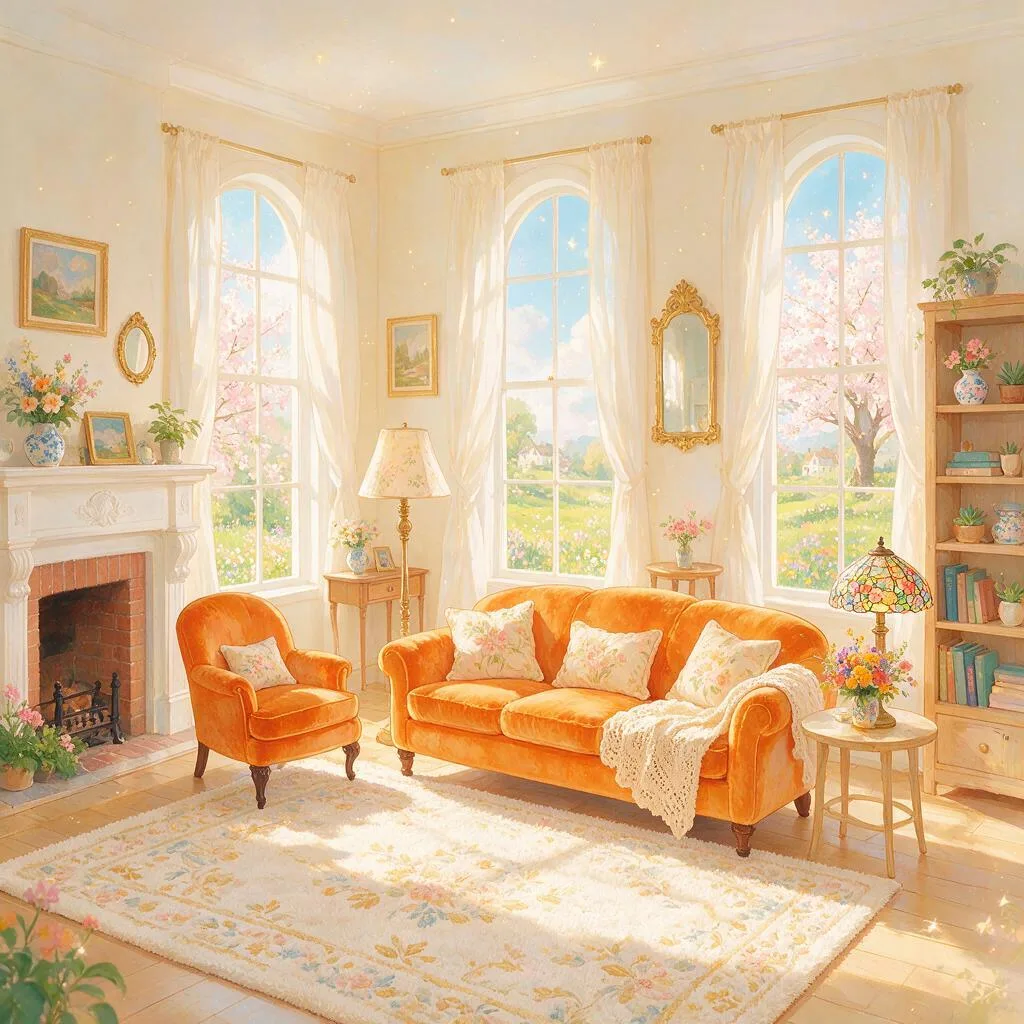
Upload one photo of an empty, cluttered, or dated room and restage it into a listing-ready space in seconds. Swap between Modern, Scandinavian, Japandi, Farmhouse, Industrial and dozens more styles while the walls, windows, and floor stay exactly where they are. Real-estate-grade photorealism that furnishes the room instead of rebuilding it.
AI Virtual Staging Generator — Interior Restage
Interior Restage is an AI virtual staging generator that turns one photo of an empty, cluttered or dated room into a listing-ready space in seconds. You upload the shot, pick a style — Modern, Scandinavian, Japandi, Farmhouse, Industrial and dozens more — and it furnishes and refreshes the room while the walls, windows and floor stay exactly where they are. The realism is real-estate grade: it furnishes the room instead of rebuilding it, so the render still reads as your property. Built for agents, stagers and hosts who need clean before/after shots without renting a single piece of furniture.
Listing-ready rooms from a single photo
One photo is the entire input — and it does not have to be a flattering one. An empty white living room, a lived-in space full of clutter, a kitchen stuck in the 90s: upload the shot, pick a style, and get back a furnished, refreshed render in seconds. The dated kitchen comes back Scandinavian with pale wood cabinets and matte black fixtures; the bare living room turns warm Japandi with a low oak sofa and linen cushions by the window.
Because the turnaround is seconds rather than days, restaging fits inside the listing workflow instead of delaying it. Shoot the rooms as they are, restage the same afternoon, and download full-resolution files for the MLS, an Airbnb page or a design pitch.
Dozens of interior design styles, one real room
Style is a menu, not a prompt-engineering exercise. Swap the same room between Modern, Scandinavian, Japandi, Farmhouse, Industrial and dozens more, and each version comes back fully furnished in that vocabulary — the furniture, finishes and palette all agree with each other. Restage one photo across three styles to show a seller their options, or to fill a listing gallery with looks that target different buyers.
The style applies to what is inside the room, not to the room itself: whichever direction you pick, the architecture underneath is the same real space.
Furnishes the room instead of rebuilding it
The fastest way to lose a buyer's trust is a staged photo that does not match the walkthrough. Interior Restage keeps the real walls, windows, doors and proportions locked exactly where they are and restages only what sits inside them. Furniture lands at believable scale for the actual floor plan, and the room's own light stays the room's own light. That is the difference between real-estate-grade photorealism and a generic AI render — the before/after pair is recognizably the same room, which is the entire point of a before/after.
Refine the restage in one session
The first render is a starting point, not a verdict. Because the agent runs as a session with memory, you iterate on the previous render in plain language — "swap the sofa for a sectional", "warmer wood tones", "less on the shelves" — and it changes that one thing while the room, style and everything you already approved hold steady. Direction carries across the session, so restaging a whole property produces a cohesive set: living room, bedroom and kitchen that read as one home with one look, not five unrelated renders.
What you can create with Interior Restage
- Virtually staged photos of empty listings, furnished to a chosen style
- Decluttered and refreshed renders of lived-in or dated rooms
- The same room shown across several styles for a listing gallery
- Cohesive room sets — living room, bedroom, kitchen — that share one look
- Before/after pairs for MLS listings, Airbnb pages and design pitches
Sample prompts to try
- 🛋️ An empty white living room restaged in warm Japandi — low oak sofa, linen cushions, a single ceramic vase by the window
- 🍳 A dated 90s kitchen restyled Scandinavian — pale wood cabinets, matte black fixtures, morning light on the counter
How to use Interior Restage
- 1Upload one photo of the room — empty, cluttered or dated all work.
- 2Pick a style (Modern, Scandinavian, Japandi, Farmhouse, Industrial, and more).
- 3Generate, then iterate on the previous render — "swap the sofa for a sectional", "warmer wood tones" — instead of re-rolling from scratch.
- 4Download the staged photo and drop it straight into your listing or deck.
Interior Restage vs. generic AI image tools
| Generic AI image tools | Interior Restage |
|---|---|
| Rebuilds the room — walls and windows move between renders | Real walls, windows and proportions locked in place |
| Styles require trial-and-error prompt writing | Named styles: Modern, Scandinavian, Japandi, Farmhouse, Industrial and more |
| Every re-roll is a new random interior | A session with memory edits the previous render |
| One-off images with no set consistency | Cohesive multi-room sets that share one look |
| Renders that read as CGI | Real-estate-grade photorealism anchored to your photo |
Who should use Interior Restage
Real estate agents listing empty or dated homes
Empty rooms photograph cold and dated ones photograph worse. Restage both into listing-ready shots the same day, without a staging contract.
Home stagers and interior designers
Show a client three style directions on their actual room before anyone commits to furniture — a same-day concept board built from one photo.
Airbnb and short-term rental hosts
A refreshed, decluttered hero shot lifts a listing. Restage between guests without touching the room, and keep every photo honest to the real layout.
Flippers and landlords marketing before the refresh
Show what the space becomes — furnished and updated — while the keys are still with the contractor, using photos of the room as it stands today.
Frequently asked questions
Will the room still match the real space?
Yes — Interior Restage keeps the original walls, windows, doors and proportions locked and restages what sits inside them. Furniture and finishes stay coherent across a whole gallery without you re-describing the look each time.
How is this different from a filter or a furniture template?
A filter recolors pixels; a template drops the same couch into every photo. This agent reads your actual room and stages it to fit the geometry, then remembers that render — ask for one change and it edits from where you left off instead of starting over.
Can I try several styles on the same room?
That is the point. Restage the same photo as Modern, then Japandi, then Farmhouse to compare — useful for showing a seller options or filling a listing gallery with a consistent set.
Can I change the furniture after generating?
Yes. The agent runs as a session with memory, so you can swap the sofa for a sectional, warm up the wood tones or clear a shelf, and it adjusts that one thing on the previous render while the room and style hold.
Does the photo need to be of an empty room?
No — empty, cluttered and dated rooms all work. Lived-in spaces come back decluttered and refreshed, which is often the bigger before/after than furnishing an empty one.
Can I stage a whole property consistently?
Yes. Work through the rooms in one session and the direction you set carries forward, so the living room, bedroom and kitchen come out as one cohesive set rather than unrelated renders.
How much does it cost?
You can start for free. Paid plans add monthly credits — see the pricing page for current plans.
Related guides
- Best AI Interior Design Generator
- Best AI Virtual Staging Software
- AI Real Estate Photography
- Prompting Image Agents Like An Art Director
Part of ReelWand's Design tools — a focused suite of AI design studios.
More design agents
Interior Restage is one of 74 specialized visual agents on ReelWand. Explore the full catalog or browse the AI model guides. Start free, or see plans and pricing.